
Pennsylvania
Page last updated: 6/15/2026
Pennsylvania System of School Assessment (PSSA), Administered by Data Recognition Corporation, ~$ million annually, Expires June 30th, 2027
Public Districts: 500
Public Schools: 2,685
K-12 Student Population: ~1,516,000
Average Students Per Grade: ~116,600
What to watch for: For the 2027-2028 school year, the PSSA will transition from the Data REcognition Corporation to Pearson.

Program Overview
The annual Pennsylvania System School Assessment is a standards-based, criterion-referenced assessment which provides students, parents, educators and citizens with an understanding of student and school performance related to the attainment of proficiency of the academic standards. These standards in English Language Arts, Mathematics, and Science and Technology identify what a student should know and be able to do at varying grade levels. School districts possess the freedom to design curriculum and instruction to ensure that students meet or exceed the standards' expectations.
Every Pennsylvania student in grades 3 through 8 is assessed in English Language Arts and Math. Every Pennsylvania student in grades 5 and 8 is assessed in science. Individual student scores, provided only to their respective schools, can be used to assist teachers in identifying students who may be in need of additional educational opportunities, and school scores provide information to schools and districts for curriculum and instruction improvement discussions and planning.
Key Insights: 4 or 5 bullets with inside intel on the state.
Document Library
Proposal Documents (RFP and related docs) most current
Assessment Manual
Performance Level Descriptors
Technical Manual
Assessment Blueprints
Governor’s education platform
ESSA Peer Review
Learning Standards
Alternate Assessment
ELP Assessment
DOE Strategic Plan
Test Guidance Documents
Who’s who in STATE?
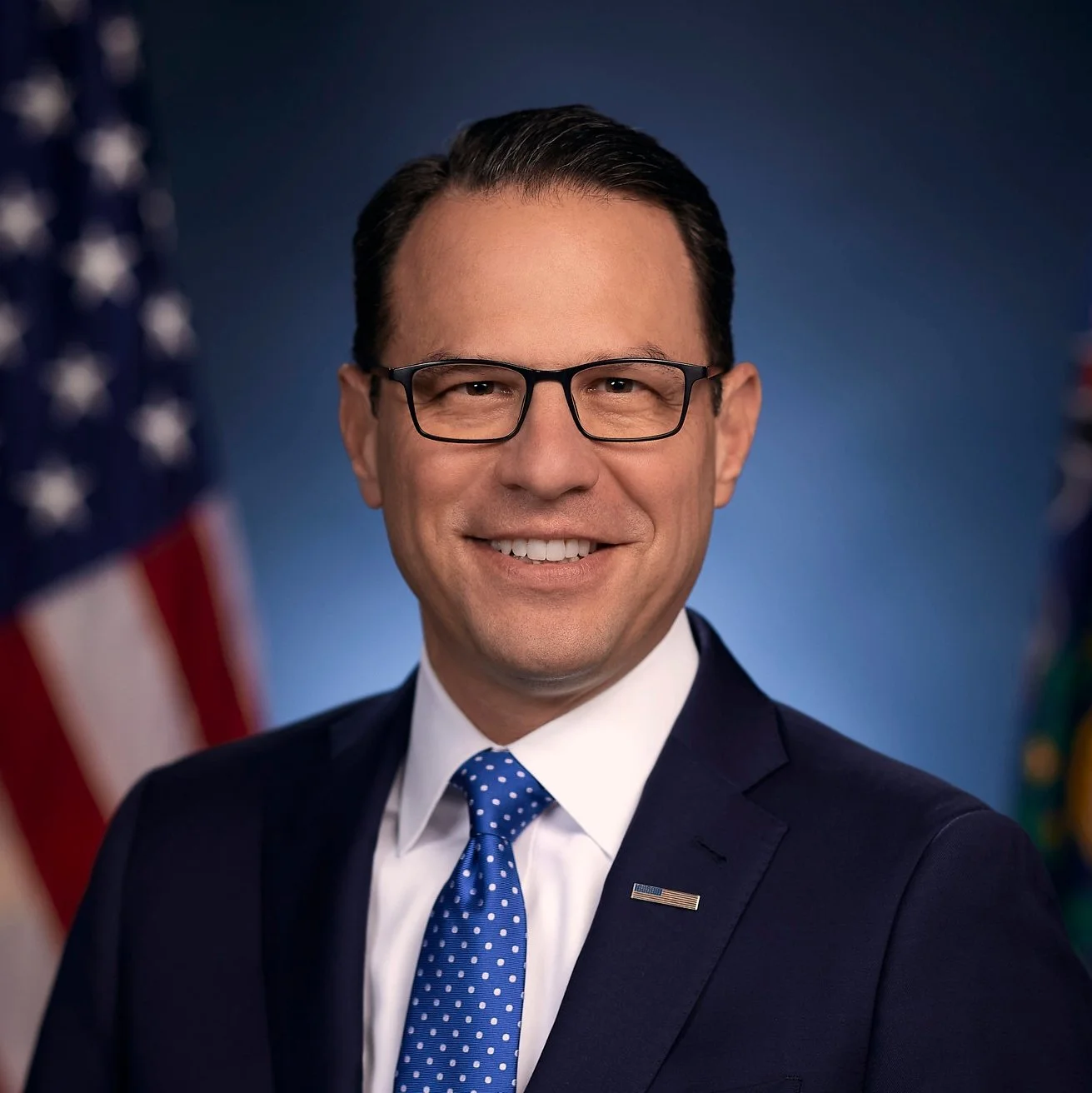
Josh Shapiro has served in Pennsylvania public office for over two decades — as a state legislator, Montgomery County commissioner, and attorney general before being elected governor in 2022. As governor, he has prioritized education funding and economic development.
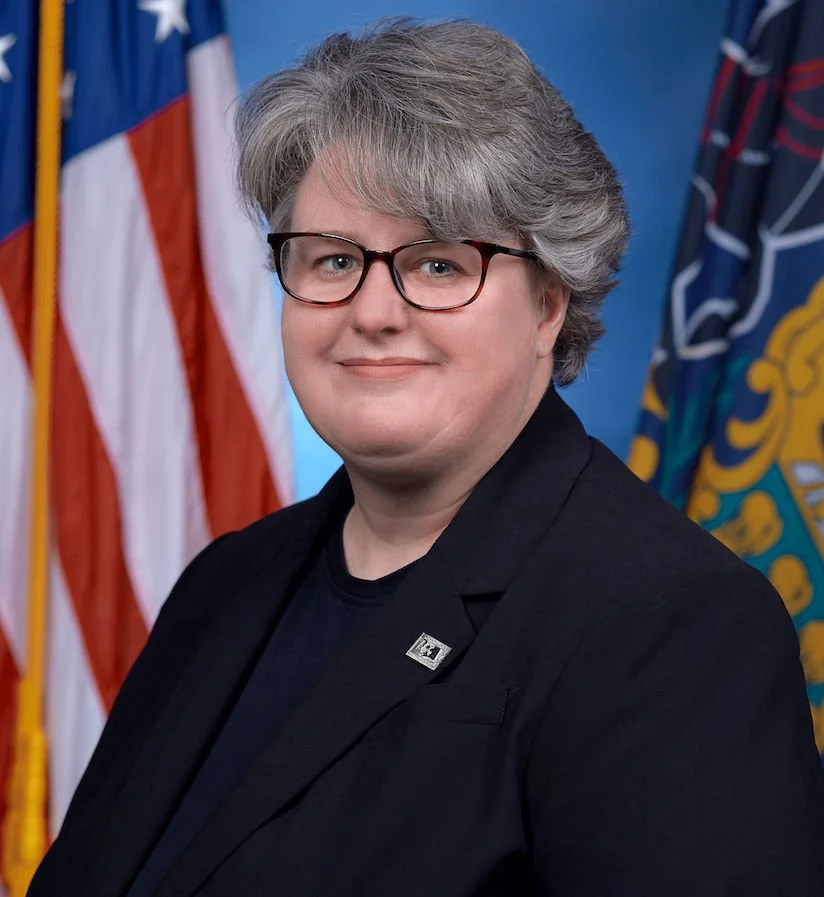
Dr. Carrie Rowe was confirmed as Pennsylvania's Secretary of Education in December 2025 after Governor Shapiro nominated her for the role. She brings 25 years of public education experience, having worked as a Spanish teacher, principal, superintendent of the Beaver Area School District, and Deputy Secretary at the Department of Education. As Secretary, she oversees pre-K–12 education across the commonwealth, with focus areas including structured literacy, teacher recruitment and retention, and student mental health.
Download Contact List
Important Dates
PSSA (Pennsylvania System of School Assessment)
Grades 3–8 in ELA and Math; Grades 5 & 8 in Science
ELA: April 20–24, 2026
Mathematics, Science & Make-ups: April 27–May 1, 2026
Early Reporting Deadline: May 1, 2026
Optional Math/Science Make-ups: May 4–8, 2026 (no early reporting)
Keystone Exams
End-of-course assessments for high school students in Algebra I, Biology, and Literature
Window 1: January 5–16, 2026
Window 2: May 11–22, 2026
PASA (Pennsylvania Alternate System of Assessment)
For students with significant cognitive disabilities
Testing Window: March 9–May 1, 2026
WIDA ACCESS for ELLs
Annual English language proficiency assessment for all identified English Learners (Grades K–12)
Test Materials Ordering Opens: October 23–November 19, 2025
AMS Test Setup Available: December 2, 2025–March 3, 2026
Districts Receive Materials: January 5–6, 2026
Testing Window: January 5–February 20, 2026
Cutoff to Test Newly Enrolling Students: January 16, 2026
Additional Materials Ordering Deadline: February 13, 2026
Deadline to Ship Completed Materials to DRC: March 4, 2026
Pre-Reporting Data Validation: April 7–14, 2026
Districts Receive Reports in WIDA AMS: May 26, 2026
ACCESS & Alternate ACCESS Reports Posted: June 10–12, 2026
RFP Summary (year)
long form summary of what is in the most current RFP- include procurement notes.
Past Proposals
Download Zip Folder
File requested on XXXX (if missing) or File posted on XXX (if present)
Official Pennsylvania DOE Links
Assessment & Accountability Hub
Assessment and Accountability – pa.gov
PSSA
Keystone Exams
PASA
Special Education Assessments (including PASA) – pa.gov
Pennsylvania Accountability System
Pennsylvania Accountability System (PAS) – pa.gov
Assessment Reporting & Results
Assessment Reporting – pa.gov
Online Resources
Online Assessment Resources – pa.gov
Standards Aligned System (SAS) – Assessment Anchors
PSSA on SAS Portal – pdesas.org
WIDA (English Learners)
Pennsylvania – WIDA Consortium
Official Press Releases – Assessment Results
Pennsylvania Releases 2024–25 School Assessment Results – pa.gov Pennsylvania DOE Announces 2023–24 Assessment Results – pa.gov
News & Analysis – 2024–2025 Results
How Did Pennsylvania Students Do on the PSSA and Keystone Exams? – WTAJ (2025)
Pennsylvania Announces PSSA, Keystone Exam Results – ABC27 (2025)
Mixed Results for County Schools on Keystone Exams – Times Observer (2025)
Assessment Results for 2024–25 Released – The Center Square (2025)
News & Analysis – 2023–2024 Results
PSSA Test Scores: See How Your School Performed 2019–2024 – Philadelphia Inquirer (2024)
Philadelphia Students' Test Scores Improve Slightly Amid Curriculum Shift – Chalkbeat (2024)
Are Your District's Math Scores Keeping Pace? – Learner.com (2024)
New PSSA Results: Some Scores Rebounding, but Kids Still Behind – Philadelphia Inquirer (2023)
2023 PSSA Scores Highlight the Need for Educational Opportunity – Commonwealth Foundation (2023)
Pennsylvania Public Schools: Nation's Report Card 2024 – Commonwealth Foundation
Legislative Summary
Published: May 2, 2026
Pennsylvania Legislative Summary
The Pennsylvania General Assembly
Pennsylvania's legislature, the General Assembly, is a bicameral body consisting of a 50-member Senate and a 203-member House of Representatives, for a total of 253 legislators. Senators serve four-year staggered terms, with roughly half of seats up for election every two years. House members serve two-year terms. The current chamber is divided along party lines: Republicans hold a 27–23 majority in the Senate, while Democrats hold a narrow 102–97 majority in the House (with vacancies). This split-control dynamic — a Democratic governor, a Democratic-leaning House, and a Republican-led Senate — has defined much of the legislative tension over the past year, particularly on education funding. Senate President pro tempore is Kim Ward (R) and House Speaker is Joanna McClinton (D).
Legislative Highlights: 2024–2025
School Funding Reform and the Adequacy Gap
The dominant education story of the past year has been Pennsylvania's ongoing reckoning with a landmark 2023 court ruling that found the state's school funding system unconstitutional. A bipartisan commission subsequently identified a roughly $5.1 billion "adequacy gap" — the amount needed to properly fund the commonwealth's poorest districts. In June 2024, the Democratic-led House passed House Bill 2370 on a bipartisan 107–94 vote, which would have codified a seven-year plan to close the gap. The Republican-controlled Senate declined to take up the bill, leaving the funding formula unresolved heading into budget negotiations.
The 2025–26 budget, ultimately signed by Governor Shapiro in November 2025 (four months past the constitutional deadline due to a prolonged impasse), allocated $665 million in new public education funding. This included $565 million toward adequacy funding, $105 million for Basic Education Funding, and a $40 million increase for Special Education. Since taking office, Governor Shapiro has increased total education funding by nearly $3 billion.
Structured Literacy and Reading Reform
Two significant literacy laws were enacted in this period. Act 135 of 2024, signed in October 2024, expanded access to structured literacy instruction across Pennsylvania schools. Building on this, Act 47 of 2025, passed as part of the School Code bill (SB 315), established statewide requirements for evidence-based reading curricula, universal K–3 literacy screening, targeted reading interventions, and professional development aligned to the science of reading. Schools must be in compliance by the 2027–28 school year. The 2025–26 budget allocated $10 million for literacy initiatives and implementation.
Cyber Charter School Reform
The House passed cyber charter reform legislation in 2025 (104–98), which would cap tuition payments that traditional school districts are required to make to cyber charter schools — estimated to save districts approximately $616 million annually. The bill now awaits action in the Senate. The 2025–26 budget also included $175 million in cyber charter reforms as part of the broader School Code bill.
School Choice and Voucher Debate
The Senate Education Committee advanced the "Lifeline Scholarship Program" (Senate Bill 10), which would provide Education Spending Accounts of up to $10,000 (standard) or $15,000 (special education) for students attending a school ranked in the bottom 15% of academic performance to use at a private school. The bill has not advanced to a full Senate vote, and it faces strong opposition in the Democratic-led House, keeping school choice a central and unresolved legislative fault line.
Educator Workforce
Addressing a statewide teacher shortage, the 2025–26 budget doubled funding for the Student Teacher Support Program to $40 million, with recipients required to teach in Pennsylvania for at least three years. The Shapiro Administration also launched an Accelerated Special Education Teacher Certification Program, helping train and place more than 450 special education teachers. Career and technical education funding rose to $183 million — a more than 50% increase since Governor Shapiro took office.
Assessment-Related Legislation
Act 47 of 2025's universal K–3 literacy screening requirement directly connects to the PSSA by establishing early identification of students at risk of reading difficulties before they reach the tested grades. Pennsylvania also waived Science PSSA proficiency reporting for 2024–25 as the state transitions to updated science standards, with only participation rates reported during this transition period. The 2024–25 assessment results, released in fall 2025, showed Math PSSA proficiency rising for the second consecutive year (to 41.7%) while ELA proficiency dipped to 49.9% — trends that have added urgency to the literacy reform agenda in the legislature.